The demand for geriatric care in Luanda is rising rapidly due to a 46 percent increase in the elderly population, which now exceeds 100,000 residents in the capital. Although partnerships like VC Care and specialized facilities provide vital support, a significant gap remains between the growing number of seniors and the current availability of professional healthcare services.
Finding reliable geriatric care in Luanda is often a source of silent anxiety for families balancing professional demands with the desire to provide dignity for their elders. As Angola’s demographic landscape shifts, the capital faces a critical shortage of specialized infrastructure capable of meeting complex healthcare and wellness needs. This gap is more than a logistical hurdle; it is a fundamental challenge to the quality of life of our seniors and the peace of mind of their caregivers. In this article, we analyze the current state of geriatric services in Luanda, examining the transition from family-based models to professionalized support. You will gain insights into physical infrastructure deficits, learn how to assess service quality, and discover emerging opportunities in Angola’s healthcare asset investment sector.
The landscape of population aging in Angola and the weight of Luanda
Angola is undergoing a silent but profound demographic transformation. While the country is often associated with a young population pyramid, data from the National Institute of Statistics (INE) reveals that the elderly population grew by 46% between 2014 and 2024. This phenomenon indicates an accelerated demographic transition that demands an immediate response from healthcare and wellness infrastructure in Angola.
Luanda is the nerve center of this change. The capital currently holds nearly 17% of the country's senior population, representing over 102,000 individuals over the age of 65. This urban concentration brings challenges that differ drastically from rural Angolan realities. In the interior, extended family networks still serve as the primary safeguard for the elderly; however, in Luanda, the scenario is different. The dynamics of a growing metropolis—characterized by compact housing and nuclear families where both spouses work—place unprecedented pressure on traditional support networks.
Aging in the capital can no longer be supported by family goodwill alone. There is a pressing need for professionalization and the creation of physical assets that support geriatric care in Luanda to international standards. The transition from informal care to specialized Orchid Care services and other managed infrastructures is not just a market trend; it is a demographic necessity driven by urbanization and increased life expectancy. Understanding these statistics is the first step for investors and managers looking to transform capital into resilient and socially impactful healthcare assets.
The current reality of geriatric care in Luanda: public vs. private

The current supply of senior services in Luanda is marked by a rigid segmentation that leaves families and investors with few integrated options. On one side, the public sector, under the Ministry of Social Action, Family, and Women Promotion (MASFAMU), manages reference units like the Rainha Nhacatolo Home. These institutions play a vital role in social assistance, but their operations focus primarily on cases of extreme vulnerability and economic hardship, often operating at the limit of their physical and logistical capacity to meet social demand.
In the private spectrum, we are seeing the emergence of specialized services like VC Care, which has energized the sector through home healthcare and partnerships focused on gerontology and intergenerational education. These home-based support models address specific clinical needs and palliative care within the family. However, this supply remains essentially reactive and fragmented. There is a critical gap in the Angolan market: the absence of intermediate solutions that combine senior autonomy with the security of a controlled, highly qualified physical environment.
Technical market analysis reveals that geriatric care in Luandacommercial developments
lack physical assets designed from the ground up for this specific purpose. There is a shortage of day centers promoting active aging through structured programs and, above all, assisted living residences that follow international hospitality and healthcare standards. Currently, families with investment capacity cannot find infrastructure offering a gradation of care, from independent living with supervision to total support for daily activities.healthcare and wellnesshealthcare and wellnessspecialized Orchid Care services requires moving beyond basic assistance to embrace the concept of resilient health assets. The need to evolve toward international standards and professionalized management models is urgent, as physical infrastructure has become the primary bottleneck for the quality of life of the capital's senior population.
Identifying the gap: why physical infrastructure is the greatest challenge
The effectiveness of geriatric care in Luandageriatric care in Luanda
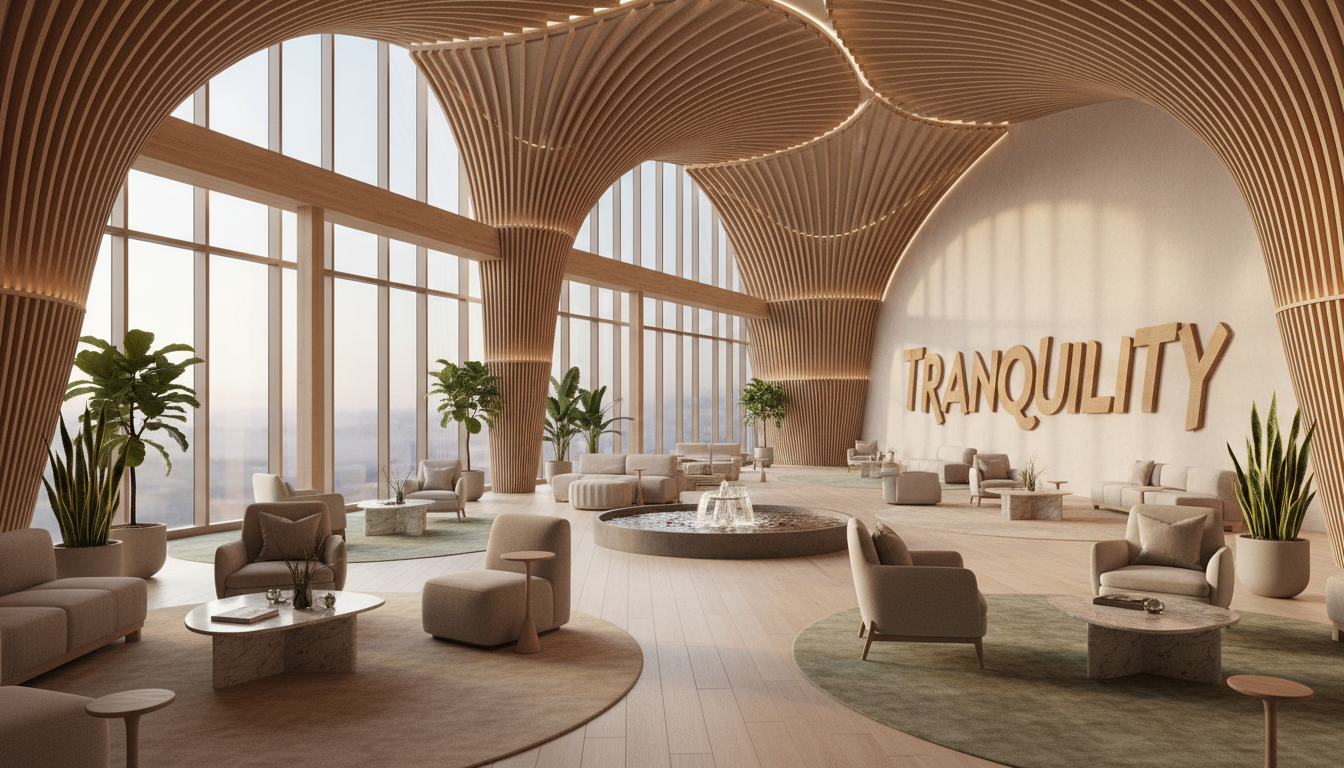
depends on a frequently underestimated factor: the built environment. While technical training is essential, physical infrastructure acts as the foundation that either enables or prevents high-quality care. In Luanda, most buildings currently used for senior care are adaptations of single-family homes or general clinics, creating significant barriers to autonomy and safety.
A Orchid Angola intervenes precisely at this technical gap. Our expertise lies in transforming capital into physical assets for healthcare and wellnesshealthcare and wellnessspecialized Orchid Care services that adhere to international geriatric architecture standards. We don't just design rooms; we develop therapeutic ecosystems. This includes selecting materials with superior acoustic absorption, circadian lighting to regulate sleep cycles and mood, and common areas that foster safe socialization. By integrating these elements into the planning and management phases, we elevate the standard of geriatric care, ensuring that physical infrastructure is an active component in promoting longevity and human dignity.
The transition from family care to specialized professional support
Angolan culture is built on the unwavering pillar of family responsibility, where caring for elders is seen as a moral duty and a demonstration of gratitude. However, the modernization of Luanda demands a new reflection on this model. Aging with dignity in today's urban context requires infrastructure that transcends goodwill. Managing chronic conditions like hypertension and diabetes, combined with the need for continuous physical rehabilitation, requires a level of technical precision that families can rarely ensure alone in the capital's fast-paced daily life.
The transition to a professional support model should not be seen as a break with tradition, but as the necessary evolution to ensure clinical safety and comfort. Specialized management, a pillar of A Orchid Angola’s expertise, focuses on transforming the care environment into a high-performance therapeutic space. By integrating specialized Orchid Care servicesspecialized Orchid Care services
families delegate logistical and clinical complexity to experts, allowing time spent with elders to focus on emotional connection and quality of life, free from the severe burnout that constant care imposes on informal caregivers.healthcare and wellnesshealthcare and wellnessgeriatric care in Luanda recognizes that the complexity of biological aging requires rigorous protocols. Next-generation facilities focus on maintaining autonomy through geriatric physiotherapy and constant monitoring. Professionalized asset management allows family resources to be converted into tangible longevity outcomes, mitigating risks of falls and avoidable complications that burden both the healthcare system and the modern family unit.
How to evaluate the quality of geriatric services in Luanda
For families and investors navigating the geriatric care market in Luanda, evaluating a service must go beyond a superficial look at the facilities. The technical quality of a senior health asset is measured by its responsiveness to crises and its active promotion of functional autonomy. A practical guide for this technical audit includes four fundamental pillars:
Infrastructure Adequacy and Safety: Verify if the space meets international standards, such as impact-absorbing non-slip flooring, circadian lighting to minimize disorientation, and high-visibility signage. The total absence of architectural barriers is the minimum requirement for physical safety.
Multidisciplinary Team Qualification: Excellence requires more than basic nursing. It is vital to confirm the presence of physiotherapists, nutritionists, and occupational therapists working in coordination with the medical team.
Active Aging Programs: Leading institutions align with the spirit of the Active and Healthy Aging Action Plan 2023-2026, implementing routines that challenge cognition and promote socialization, combating passive isolation.
Management Transparency and Governance: Management must provide clear reports on clinical progress and resource use, ensuring that invested capital translates into measurable health outcomes.
A Orchid Angola understands that the curation of these elements defines the sustainability of any healthcare and wellness project in Angola. By choosing specialized Orchid Care services, you ensure the infrastructure is not just a building, but an environment managed under rigorous protocols of operational efficiency and human sensitivity.
Investment opportunities in senior healthcare and wellness assets

The senior healthcare asset market in Luanda presents significant growth potential, driven by demand that far exceeds qualified supply. The need for new senior homes and rehabilitation centers designed from scratch is urgent to accommodate the middle and upper classes who currently lack local solutions of excellence. This scenario represents a strategic opportunity for investors looking to diversify portfolios with resilient, high-impact assets.
A Orchid Angola is the ideal technical partner to bring these projects to life. We combine the international project management experience of the Intensity Group with deep local roots in Angola. Our expertise ensures that capital is converted into efficient infrastructure, where geriatric care in Luandahealthcare and wellnessspecialized Orchid Care services services meet the rigorous standards required by the private sector. By integrating healthcare and wellnessproject management and consultancy
we ensure every development helps elevate the geriatric care network, uniting financial profitability with unprecedented human dignity. Aging with dignity in Luanda requires a response that keeps pace with social changes, as family care cannot always meet every health and safety need. Recognizing this gap is the first step toward finding solutions that guarantee our elders' quality of life. If you are looking for professional and compassionate support to face these daily challenges, it may be the ideal time to discover Orchid Care. Our team is prepared to offer the specialized care your family deserves, transforming aging into a more peaceful stage of life stage.