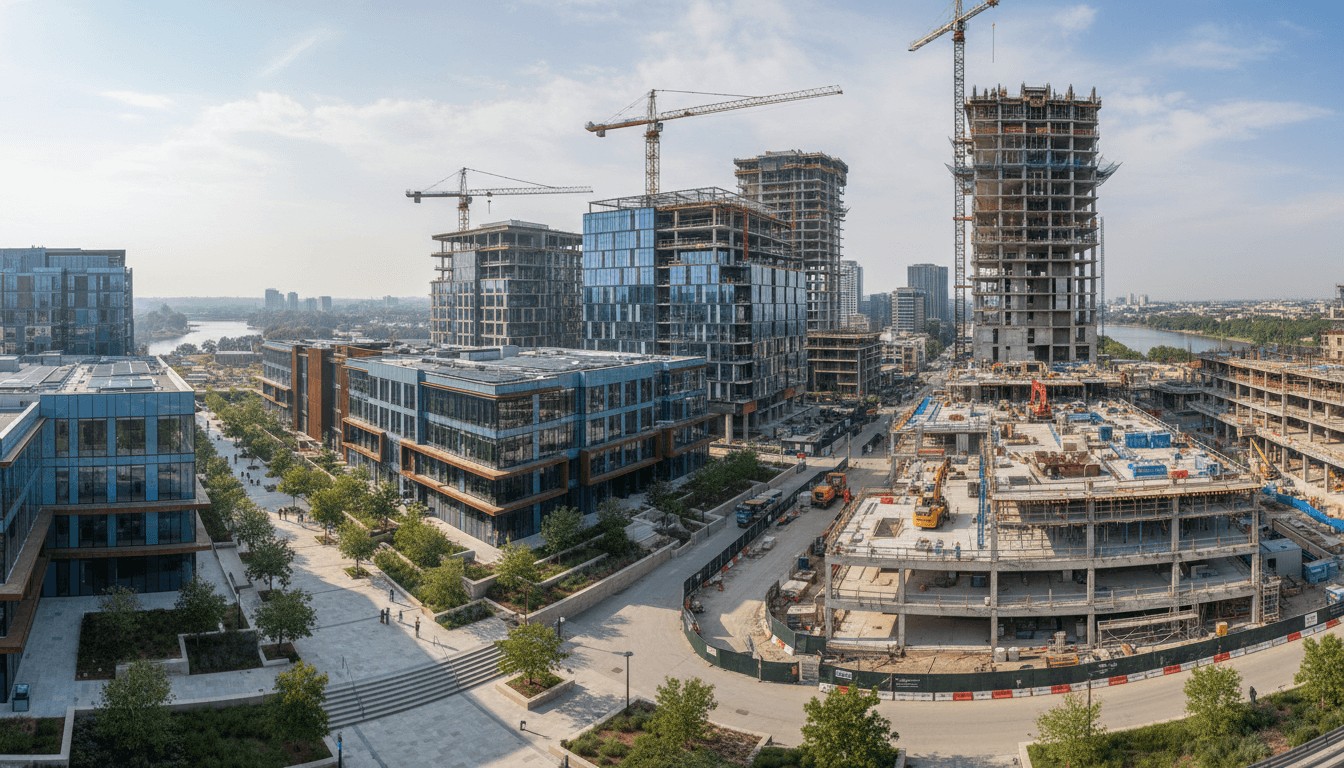
Angola aims to reach a 20 percent recycling rate by 2027 to effectively manage the 8.3 million tons of waste produced annually. Strengthening the framework for Angola’s circular economy requires expanding collection services beyond the current 24 percent and implementing strategic initiatives through the National Waste Agency and environmental education programs.
Managing waste in Angola often presents a significant operational bottleneck for businesses, turning potential resources into costly liabilities. As environmental regulations tighten and the national agenda shifts toward sustainability, many organizations find themselves unprepared for the logistical and financial implications of the new waste management paradigm. Transitioning to a circular economy is not merely an environmental gesture; it is a critical strategy to enhance operational efficiency and secure long-term viability in an evolving market. In this article, we analyze the current landscape of waste management and the government's ambitious goal of reaching a 20% recycling rate by 2027. We will examine the legislative frameworks like PESGRU, the development of essential sanitary landfills, and the specific opportunities within the real estate and healthcare sectors. By understanding the role of social inclusion and strategic partnerships, your organization can transform waste into a valuable asset for the future.
The Current State of Waste Management in Angola

The 2025 National Urban Solid Waste Report reveals a scenario that demands deep technical analysis from investors and asset managers. Angola currently produces 8.3 million tons of waste per year. However, the national collection rate remains at a challenging 24 percent. This imbalance between production and operational processing capacity highlights a significant gap in the heavy infrastructure market.
On an individual level, the average citizen produces 0.42 kg per day. While this figure seems modest in isolation, the aggregate scale demonstrates the growing pressure on sanitation, logistics, and public health systems. We also observe a striking geographical asymmetry in service efficiency. While Luanda shows collection rates between 70 and 80 percent, the southern provinces face critical conditions with substantially lower coverage and almost non-existent infrastructure.
For A Orchid Angola, these data points represent more than an environmental challenge; they are a strategic opportunity for high-impact project management. Implementing a true circular economy in Angola depends on our technical ability to convert these figures into functional physical assets. The magnitude of the infrastructure challenge requires partnerships and investments that align precision engineering with the operational reality of the provinces.
The predominant reliance on open-air dumps outside the capital highlights the urgent need for new treatment centers and the development of resilient physical infrastructure. Understanding this landscape is the first step toward transforming what is currently managed as an environmental liability into productive capital—especially in the real estate and healthcare sectors, where waste management directly impacts asset valuation and user well-being.
The 20% Recycling Goal: Turning Waste into Assets
The National Waste Agency (ANR) goal of reaching 20 percent recycling by 2027 represents a paradigm shift in how urban infrastructure is planned in Angola. For A Orchid Angola, this objective is not just an environmental metric, but an invitation to reclassify waste as a tangible economic asset. The transition from the concept of trash to that of a resource is the engine that drives circular economy in Angolareal estate project management and consultancy
, allowing invested capital to materialize in sustainable and profitable value chains. Currently, the recovery of specific materials presents untapped market opportunities. By breaking down the volume of waste produced, we identify niches where recycling can act as a strategic supplier for national industry:
Material | Recovery Potential | Local Industrial Application |
|---|---|---|
Plastic | Conversion into polymers for furniture and piping | Cost reduction in hydraulic infrastructure and construction |
Metals (Iron) | Smelting and production of steel rebar for construction | Price and supply stability in civil engineering |
Glass | Crushing for concrete aggregates or new packaging | Reduced extraction of natural inerts and lower import costs |
Organic Matter | Production of biogas and certified biofertilizers | Support for the agricultural sector and increased energy self-sufficiency |
Integrating these materials into national production processes is a fundamental strategy for reducing a chronic dependence on raw material imports. By implementing rigorous high-impact project managementproject management
, we focus on creating processing units that directly feed adjacent industries, transforming what was once a removal cost into a new source of revenue and operational efficiency. The success of this 20 percent goal depends on our ability to structure partnerships and investmentscommercial developmentsdevelopment of resilient physical infrastructure that view waste as the start of a new supply chain. Instead of allowing the vast majority of production to end up in open dumps, the ANR vision calls on the private sector for the
development of physical assets
Legislative Framework and Infrastructure: From PESGRU to Seven Sanitary Landfillscircular economy in AngolaThe transition to a sustainable
circular economyhigh-impact project management requires robust legislative support and infrastructure that matches national ambitions. The current regulatory framework is based on the Strategic Plan for Urban Solid Waste Management (PESGRU) and Presidential Decree 196/12. These documents establish fundamental guidelines for collection, transport, and treatment, but full implementation faces an obvious physical obstacle: the scarcity of technical treatment and containment units. Currently, the country has only seven sanitary landfills to cover a vast and geographically diverse territory. This limitation forces a systemic dependence on open-air dumps, which lack soil waterproofing and leachate treatment, compromising public health and environmental integrity. The urgency of converting these liabilities into professionally managed treatment centers opens a wide field for
real estate project management | Current Infrastructure | Operational Status |
|---|---|---|
Technical Requirement | Sanitary Landfills | Only 7 units nationwide |
Network expansion and technological modernization | Open-Air Dumps | Predominant outside Luanda |
Environmental remediation and conversion into sorting hubs | Regulatory Framework | PESGRU and Decree 196/12 |
Rigorous enforcement and private investment incentivesdevelopment of resilient physical infrastructureA Orchid Angola identifies this gap as an opportunity for partnerships and investmentscommercial developments
Circular Economy in the Real Estate and Healthcare Sectors
Integrating the circular economy in Angolacircular economy
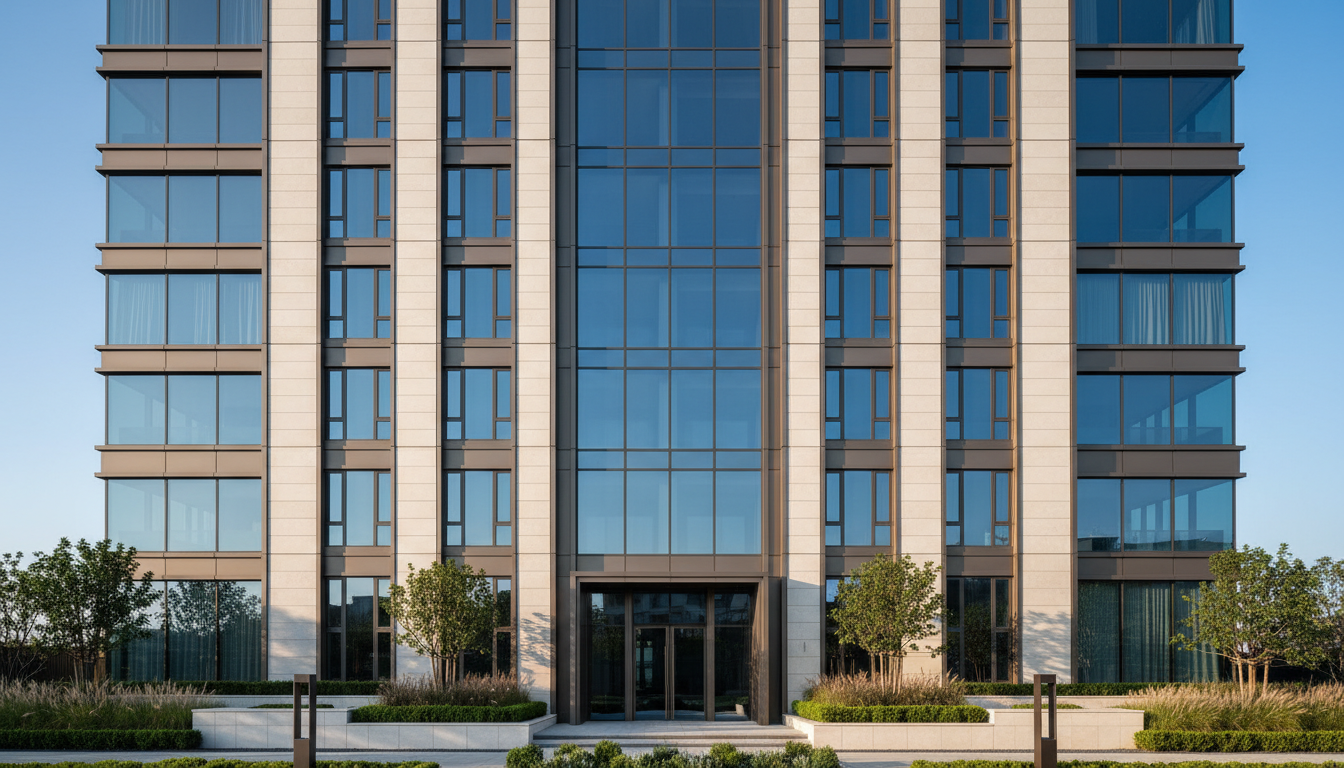
into the development of physical assets requires shifting from reactive waste management to preventive planning. At A Orchid Angola, we believe the sustainability of a building or healthcare unit is determined during the conceptual phase. It is during design that material choices and operational flows shape the long-term economic and environmental viability of the asset, ensuring invested capital becomes resilient infrastructure. In the real estate sector, sustainable construction must be understood as a strategy for value preservation and risk mitigation. Incorporating recycled aggregates, such as crushed glass for flooring or metal structures from reclaimed iron, is not just an environmental choice; it is a financial efficiency measure that reduces exposure to raw material import volatility. development of resilient physical infrastructureReal estate project management
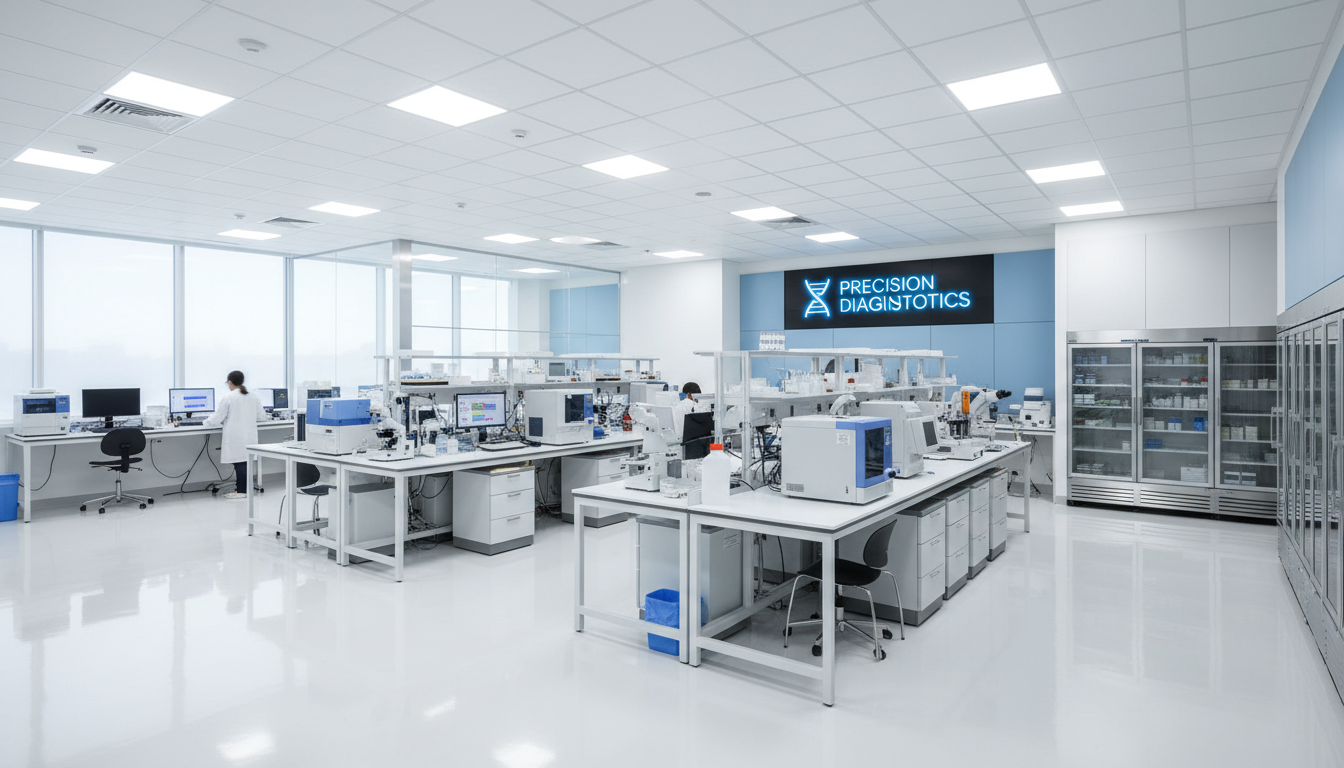
must account for modularity, allowing building components to be recovered or reused in the future, closing the asset's life cycle and increasing its appeal to institutional investors. In the healthcare context, waste management takes on an ethical and biosafety dimension, treated as a direct extension of wellness. A premier hospital project must include internal systems for segregation, treatment, and decontamination to prevent hazardous waste from overwhelming municipal dumps. This approach protects public health and preserves local water resources—a critical aspect given the infrastructure gaps discussed earlier. Technical management of these flows ensures the facility operates with maximum safety, minimizing operational costs and environmental liabilities.
Our role, through high-impact project managementproject management and consultancypartnerships and investments, is to serve as the technical link that converts capital into assets that are sustainable from day one. By establishing
commercial developments
The Role of Waste Pickers and Social Inclusion in the Value Chain
The successful implementation of Angola's circular economy cannot be separated from the human component that sustains waste management on the ground. The National Waste Agency’s (ANR) recommendation to integrate waste pickers recognizes that these agents are currently the primary drivers of selective collection, often operating in vulnerable conditions. Transitioning to a formal model transforms this subsistence activity into an engine for social impact, generating skilled jobs and dignifying local labor. Formalizing these workers through organized cooperatives is the critical step to increasing operational efficiency. By integrating trained pickers into the value chain, we optimize sorting at the source, ensuring materials like plastic, iron, and glass reach the processing industry with higher purity levels. This organization facilitates collection logistics in areas where the municipal fleet does not yet have full coverage, directly contributing to the 20 percent recycling goal.
For A Orchid Angola, integrating these groups into the high-impact project managementcircular economypartnerships and investments is a matter of transparency and governance. By structuring development of resilient physical infrastructurecommercial developments
An Invitation for Strategic Partnerships for 2027

Reaching the 20 percent recycling goal by 2027 requires unprecedented mobilization between the public and private sectors. Regulatory intent is not enough; the realization of Angola's circular economy depends on a substantial influx of capital into smart logistics networks, sorting technologies, and, above all, rigorous technical execution. This is the moment where strategic vision must meet operational competence to build the infrastructure the country demands.
A Orchid Angola positions itself as the technical partner for investors seeking security and impact. Through our high-impact project managementreal estate project management and consultancydevelopment of resilient physical infrastructure, we ensure capital is channeled into the partnerships and investmentsdevelopment of physical assets
Achieving the 20% recycling target in Angola by 2027 requires a serious commitment to the circular economy. This path not only protects the environment but also strengthens our local economy. However, we know that implementing these practices can be complex for many organizations. If you are looking for specialized support to align your projects with these global goals, we invite you to learn more About our vision and how we can collaborate toward a more sustainable future together.