In Angola, nearly 24% of daily waste is plastic, yet we recycle less than 10%. Changing this requires viewing PET bottles not as waste, but as a resource to be returned to the economy.
PET bottles ending up in drainage channels are more than an environmental issue. They devalue real estate, clog urban infrastructure, and increase operational costs. This guide explains how recycling works locally and what the new PLANEPP regulations mean for you.
The Current State of Recycling in Angola and the Plastic Challenge
Angola produces approximately 19,393 tons of waste daily. Nearly 24% is plastic, meaning over 4,600 tons of polymers enter the environment every day. Despite this, recycling rates remain below 10%.
This issue is most acute in Luanda. High density and inconsistent collection infrastructure lead to waste accumulation in sensitive areas. At A Orchid Angola, we see this not just as a problem, but as an opportunity to rethink how we build and manage our spaces.
Waste revaluation is a core pillar of our vision for real estate project management and consultancy. We treat plastic as a resource that can return to the value chain, whether in commercial developments or specialized management services. Creating high-quality environments requires understanding how Luanda functions; how we manage waste defines a project's sustainability.
Urban Impact: From Drainage Channels to Real Estate Value

The most visible sign of this problem is in Luanda's drainage channels. PET bottles and plastic bags clog them, preventing rainwater runoff. The result: floods that paralyze entire districts and create health hazards.
For investors and developers, this is more than a social issue. Constant flooding wears down structures, compromises foundations, and drives up maintenance and insurance costs. A commercial development surrounded by poor sanitation loses value and fails to attract premium tenants.
At A Orchid Angola, we view sustainable urbanism as capital protection. Sanitation and waste logistics must be integrated at the design phase, not as an afterthought. By planning correctly from the start, we protect assets and the quality of life for those who use them.
Modern specialized management servicesreal estate project management and consultancy in Luanda must anticipate drainage solutions and efficient collection points. A sound investment depends on the surrounding environment's capacity to manage both water and discarded materials.
PLANEPP: New Regulations for Plastic Use in Angola
Angola’s legal framework is evolving. PLANEPP (2025-2027), approved by Presidential Decree No. 122/25, sets a roadmap to eliminate single-use plastics. It begins with thin plastic bags, but the most significant measure for services and hospitality arrives in 2028: a restriction on the sale of PET bottles under 500 ml.
This transition introduces new levies. The National Waste Agency (ANR) will begin charging for plastic use, turning disposal into a direct business cost. At A Orchid Angola, anticipating these rules is an essential part of real estate project management and consultancyreal estate project management and consultancycommercial developments, ensuring new commercial developments adapt their supply chains before taxes impact margins.
PLANEPP should be viewed as a catalyst for improving recycling in Angola, rather than a barrier. This involves auditing material flows and preparing specialized management servicesspecialized management services for reverse logistics. Adapting buildings to new regulations is a pragmatic step to ensure compliance and sustainability in a market that penalizes inefficiency.
The PET Bottle Value Chain: Collection and Transformation
The plastic value chain in Luanda blends informal and industrial sectors. It often begins with individual collectors—the front line of selective collection—who deliver material to collection points. It is here that waste gains its initial value before industrial-scale processing.
Companies like Ango-Reciclagem demonstrate the technical capacity already present in the country, with infrastructure to process up to 1.2 tons of plastic per hour. The process involves sorting, washing, crushing, and extrusion, converting PET bottles into flakes or pellets that return to industry as recycled raw material.
Comparison Factor | Virgin Plastic | Recycled Plastic (rPET) |
|---|---|---|
Energy Consumption | High (oil processing) | Up to 75% reduction |
Logistical Impact | Import dependency | Local circular value chain |
Raw Material Cost | Oil price volatility | Stability based on collection efficiency |
Integrating these materials into physical projects opens new doors for sustainable construction. One cost-effective solution is Ecobricks—PET bottles filled with compacted waste that function as building blocks. These can be used for secondary structures, urban furniture, or fencing, utilizing plastic surplus that industry cannot yet process.
Implementing these practices through real estate project management and consultancyreal estate project management and consultancy optimizes costs and strengthens the ESG profile of large commercial developmentscommercial developments. recycling in AngolaRecycling in Angola is no longer just an environmental necessity; it is a pillar of financial viability. By mastering this chain, specialized management servicesA Orchid Angola transforms environmental liabilities into physical assets, ensuring invested capital generates a positive impact in Luanda.
Solutions and Infrastructure: The Role of Ecopoints and Specialized Management
For a circular economy to function, material must be collected at the source. Eight ecopoints are planned for Luanda to separate PET bottles, cans, and glass—a major step forward in urban logistics. However, the success of recycling in Angolarecycling in Angola also depends on bringing these solutions into the private and corporate spaces where high volumes of waste are generated.
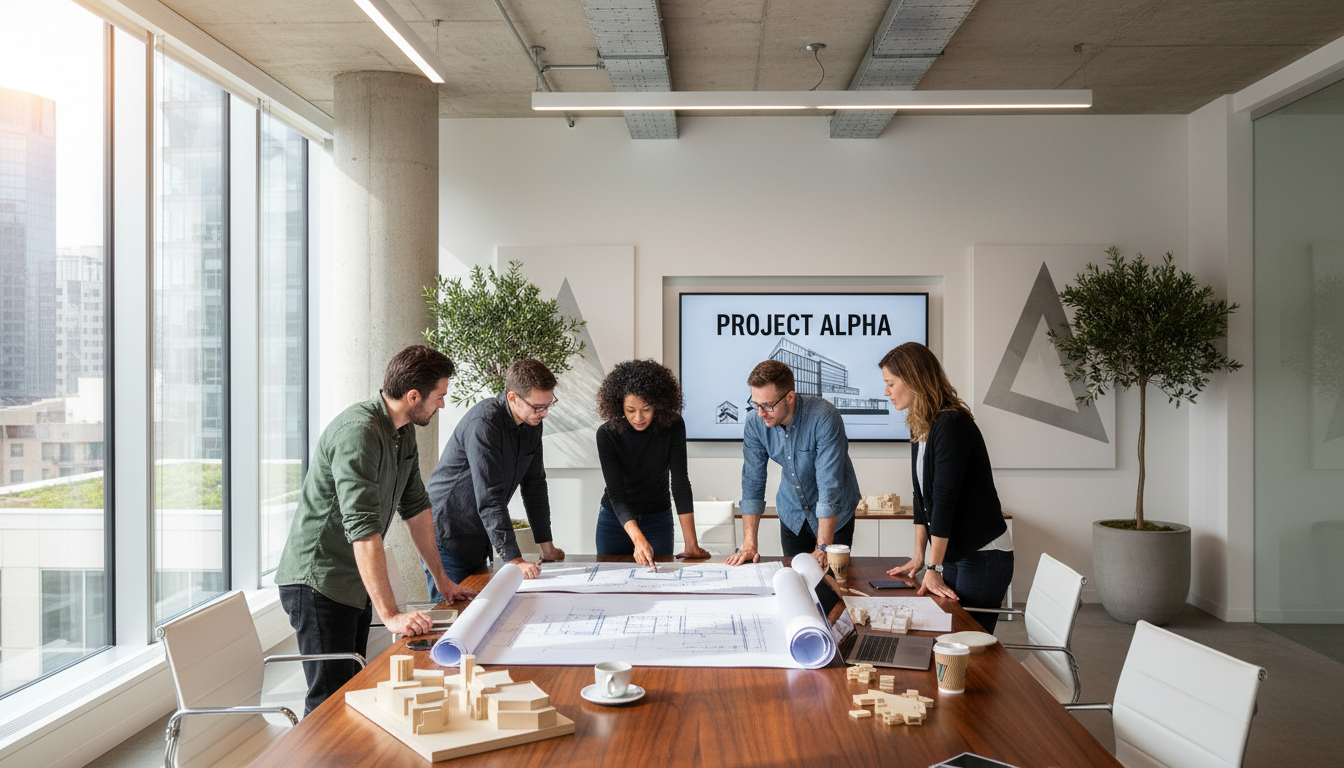
At A Orchid Angola, our real estate project management and consultancyreal estate project management and consultancy integrates these systems from the technical design stage. We view waste areas as vital logistical hubs rather than secondary spaces. In large-scale commercial developmentscommercial developments, sorting zones and selective collection points reduce transport costs and improve the experience for both tenants and customers.
Modern specialized management servicesSpecialized management services transform plastic collection into a valuable resident service. In high-end condominiums, specialized systems ensure material reaches the correct destination, protecting common areas and aligning properties with global sustainability benchmarks. This allows investors to comply with new laws while providing an efficient environment resilient to Angolan market shifts.