True quality in elderly care in Angola is defined by individualized plans that prioritize human dignity and multidisciplinary medical assistance. It is essential to ensure emotional and physical support through qualified professionals who manage hygiene, mobility, and medication with a personalized touch.
Ensuring the well-being of a loved one as they age is one of the greatest challenges facing modern Angolan families, especially when safety and dignity are constant concerns. In Angola, the transition to specialized care requires more than just companionship; it demands a technical infrastructure that respects each individual's uniqueness. A Orchid Angola understands that real quality lies in the balance between rigorous clinical assistance and a human touch. In this article, we explore the fundamental pillars of humanized care, the importance of the Individual Care Plan (ICP), and how the physical environment directly influences longevity. You will discover the essential criteria for identifying management excellence in the national context, ensuring your family's choice provides safety, health, and, above all, a life of value.
The reality of aging and elderly care in Angola
Angola is undergoing a silent but significant demographic transition. While the country maintains a predominantly young population pyramid, increased life expectancy and rapid urbanization are reshaping the demand for elderly care in Angola. Traditionally, support for the elderly has rested on the family structure—a non-negotiable cultural pillar in our society. However, the growing complexity of chronic pathologies and the need for multidisciplinary technical monitoring now require this informal model to evolve into more robust solutions.
This scenario should not be viewed merely as a resource challenge, but as a strategic opportunity for the transformation of capital into high-performance physical assets. In Luanda and expanding provinces, there is a clear gap for infrastructure that combines the comfort of home with clinical precision. Transitioning to professional care does not mean replacing the family, but rather empowering them through specialized management services that guarantee safety and constant quality of life.
Implementing international standards on Angolan soil allows for the creation of environments where architecture and operational management work in tandem. In the Orchid Care project, we understand that active aging requires more than basic assistance; it requires a Project Management vision that ensures the sustainability of health operations and the dignity of the resident. This is the moment to structure assets that respond to a real social need with the technical rigor and sophistication that the health and wellness sector demands.
Defining humanized care: Moving beyond basic assistance
Transitioning to a professional care model in Angola requires a clear understanding that technical excellence is only the starting point. Often, health management focuses strictly on compliance with Decree No. 14/06, which sets the standards for the licensing and operation of care centers. While rigorous medication administration, personal hygiene assistance, and physical safety are fundamental pillars, humanized care exists at a higher level of operational sophistication.
Humanizing care means recognizing the senior’s individuality, resisting the tendency to treat them as a set of clinical symptoms or a room number. In practice, this manifests in behavioral details that transform the resident's experience. Maintaining constant eye contact and addressing the senior by name, rather than using generic or patronizing terms, are gestures that reinforce identity and fundamental dignity. The goal is to promote autonomy, allowing individuals to make decisions about their own routines whenever possible, which directly preserves cognitive health and self-esteem.
Social isolation is one of the most critical risks in poorly managed environments where clinical routines often overshadow social life. Therefore, the management of health assets must provide for integration into activities that stimulate interaction and a sense of belonging. A Orchid Care projectlandmark commercial assettransformation of capital into high-performance physical assets results in spaces where life is lived with purpose.
For investors and families looking for specialized management servicesphysical assets
Individual Care Plan (ICP): The roadmap for personalized assistance

The effectiveness of elderly care in Angola depends on the transition from generic assistance to a personalized strategy, materialized in the Individual Care Plan (ICP). This document is not a static form, but a dynamic roadmap that guides the entire technical team. When considering what to include in an elderly care plan, four fundamental pillars must be included:
Clinical Identification and History: Detailed mapping of chronic pathologies, allergies, dependency levels, and relevant medical history.
Nutritional Assessment: Definition of diets adapted to specific metabolic needs, considering swallowing difficulties, hydration, and dietary restrictions.
Mobility and Physiotherapy Routine: Establishment of an exercise plan, transfer techniques, and fall prevention to maintain physical functionality.
Rigorous Medication Management: Organization of schedules, dosages, and monitoring protocols for side effects or drug interactions.
Developing this plan requires a multidisciplinary approach where doctors, nurses, and therapists actively collaborate. From a specialized management servicesreal estate project management and consultancyOrchid Care project perspective, the ICP serves as a quality control tool that allows for real-time auditing of care delivery. This rigor is essential for ensuring patient safety, adapting the roadmap whenever there are changes in clinical or functional status, whether in an institutional or home setting.
The transformation of capital into high-performance physical assetspromotion and development
The role of the physical environment in promoting health and well-being

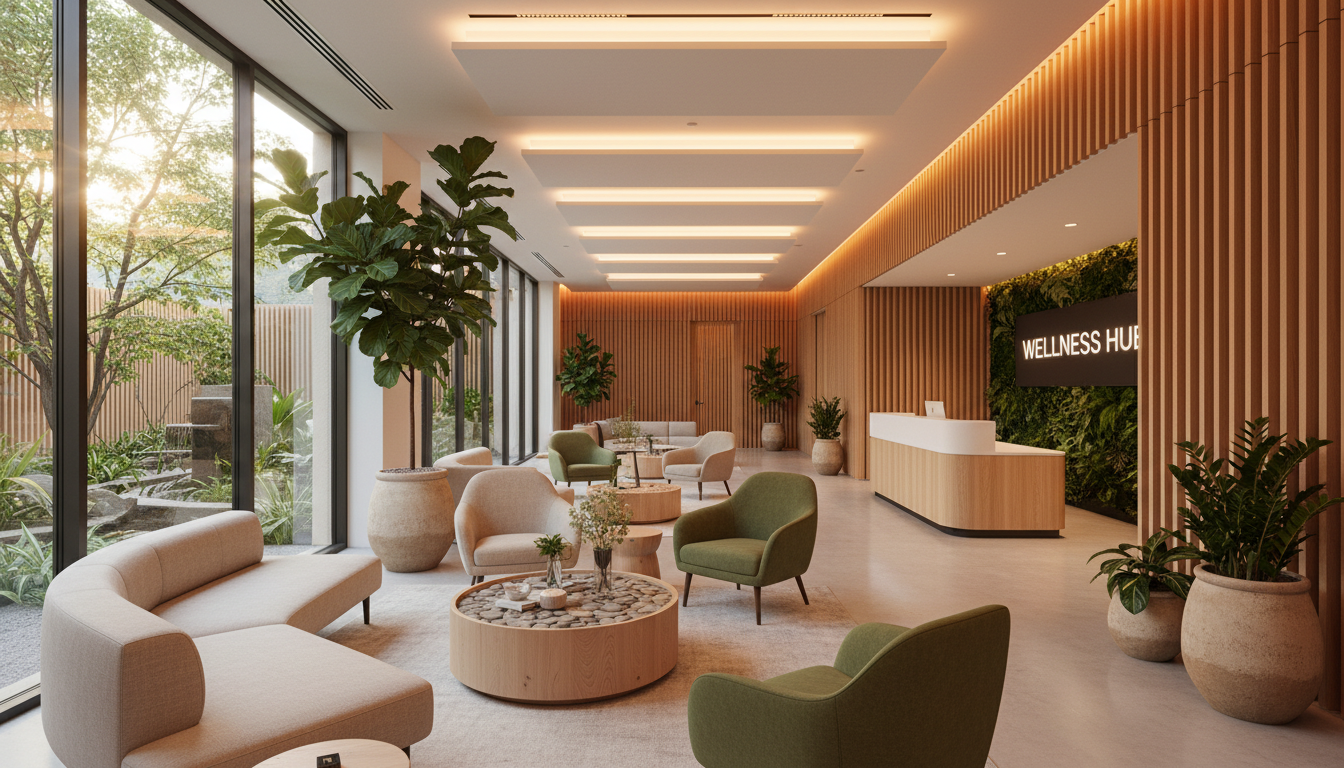
The effectiveness of the Individual Care Plan is intrinsically linked to the environment where it is executed. At A Orchid Angola, we view infrastructure not just as a shell for service delivery, but as an active therapeutic tool. Specialized architecture and interior design are decisive in physical recovery and maintaining mental acuity. Well-designed spaces reduce the risk of falls, facilitate autonomous mobility, and significantly lower cortisol—the stress hormone—in residents.
To raise the standard of elderly care in Angolahospitality and retreatstransformation of capital into high-performance physical assets, it is essential to move away from the concept of a cold, impersonal hospital environment. High-performance
Managing environmental variables is a central technical pillar. Exposure to natural light is essential for regulating the circadian rhythm, helping to combat sleep disorders common in old age. Similarly, efficient ventilation systems ensure air quality, preventing respiratory pathologies and providing a fresh environment, vital for the climate in Luanda and other Angolan provinces.
By integrating these elements, the Orchid Care projectcommercial developmentsspecialized management services ensure that architecture works in favor of health. Investing in
Management of nursing homes and specialized services in Angola
The transition from a domestic support structure to a professional operation requires a radical shift in management mindset. While informal home care preserves emotional bonds, it often lacks the technical resources and redundancy to respond to emergencies or rapid health declines. Conversely, the management of nursing homes and day centers is attracting growing private interest, as reported by Jornal de Angola. This movement reflects the urgent need to professionalize the sector to ensure that increased supply is accompanied by rigorous safety standards and adequate infrastructure.
The sustainability of a health unit depends not only on occupancy but on the application of rigorous Project Management principles. At A Orchid Angola, we believe that transformation of capital into high-performance physical assetshealth specialized management servicespromotion and development
For elderly care in Angolalandmark commercial assetsOrchid Care project to reach international excellence, management must focus on mitigating operational risks through structured protocols. A
How to choose the best care service for your family
Selecting the right institution in Luanda requires rigorous scrutiny that goes beyond the aesthetics of the facade. The first step is verifying legal compliance. Demand to see an updated operating license, ensuring the unit meets the requirements of Decree No. 14/06 and the guidelines of the Ministry of Social Action, Family, and Women's Promotion. Without this backing, your family member's legal and sanitary safety is not guaranteed.
During the technical visit, observation must be methodical. Evaluate the team composition and, more importantly, the ratio of caregivers to residents, especially at night. An operation backed by specialized management servicesspecialized management services
Use these practical criteria for your decision:
Transparency in communication: Check if there is a direct channel for periodic reports and if management is open to unscheduled visits, which demonstrates confidence in internal processes.
Environment and Interaction: Observe if residents are integrated into activities or remain isolated. The absence of unpleasant odors and the use of natural light are indicators of well-managed infrastructure.
Family Proximity: In Luanda, location is strategic. Choosing a service that facilitates frequent family presence is vital, as emotional support is an irreplaceable clinical component.
When opting for a Orchid Care projectspecialized management servicetransformation of capital into high-performance physical assetsinternational standards and local roots